
Powder Metallurgy Bronze Bushings

Powder Metallurgy Bronze Bushings: Manufacturing Process, Advantages and Applications
Bronze bushings are widely used in mechanical systems where reliable support, low friction, and long service life are required. Among the different manufacturing methods available, powder metallurgy provides an efficient way to produce precision bronze bushings with consistent dimensions and controlled material properties.
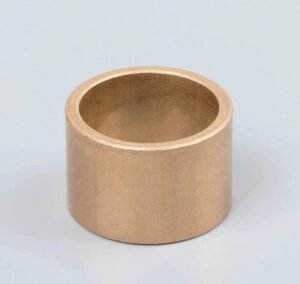
A powder metallurgy bronze bushing, also known as a sintered bronze bushing or bronze sleeve bearing, is manufactured by compacting bronze metal powder into a specific shape and then sintering it at a controlled temperature. This manufacturing process is particularly suitable for high-volume production and applications that require consistent quality.
What Is a Powder Metallurgy Bronze Bushing?
A bronze bushing is a cylindrical bearing component designed to support a rotating or oscillating shaft while reducing friction and wear between moving parts.
Unlike conventional machined bushings, powder metallurgy bushings are produced from metal powder rather than starting from a solid bronze bar. The powder is pressed into a mold under controlled pressure and then heated below the melting point of the main metal constituents.
During sintering, the individual powder particles bond together to form a strong and stable bronze component.
One important characteristic of powder metallurgy is that the final material can contain controlled interconnected pores. When the bushing is produced as an oil-impregnated type, these pores can retain lubricating oil and gradually release it during operation.
This makes sintered bronze bushings particularly useful for applications where reduced maintenance and continuous lubrication are important.
Powder Metallurgy Bronze Bushing Manufacturing Process
The manufacturing process generally consists of several key stages.
1. Bronze Powder Preparation
The process begins with carefully selected bronze alloy powders. The composition can be adjusted according to the required mechanical properties, wear resistance, dimensional stability, and application requirements.
Common bronze-based materials may include copper-tin alloys and other copper-based compositions.
2. Powder Compaction
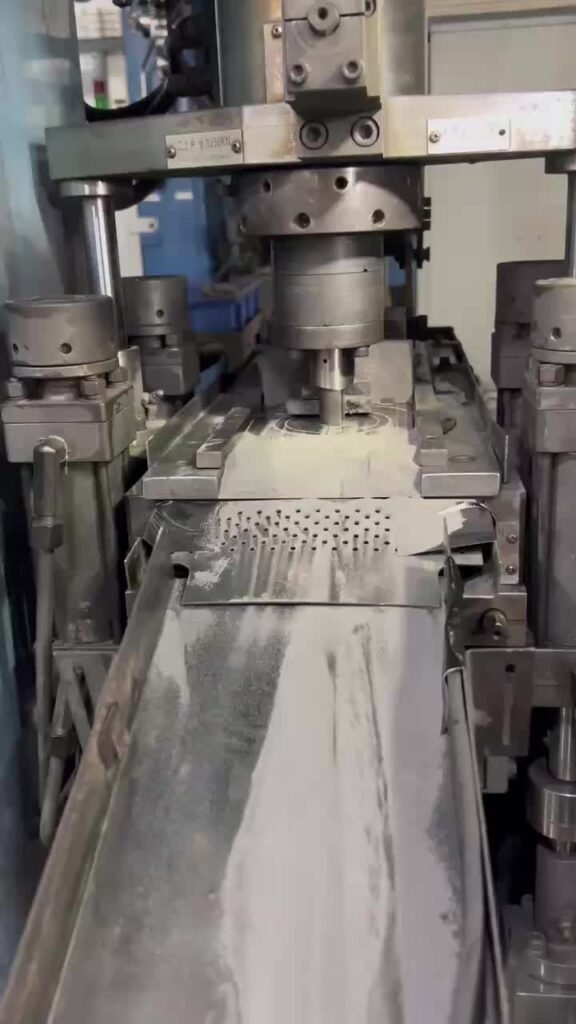
The prepared metal powder is placed into a precision mold and compressed under high pressure.
The mold determines the basic dimensions and geometry of the bushing, including the outside diameter, inside diameter, and overall length.
Compared with machining a bushing from solid bar stock, powder compaction can significantly reduce material waste and improve production efficiency for large quantities.
3. Sintering
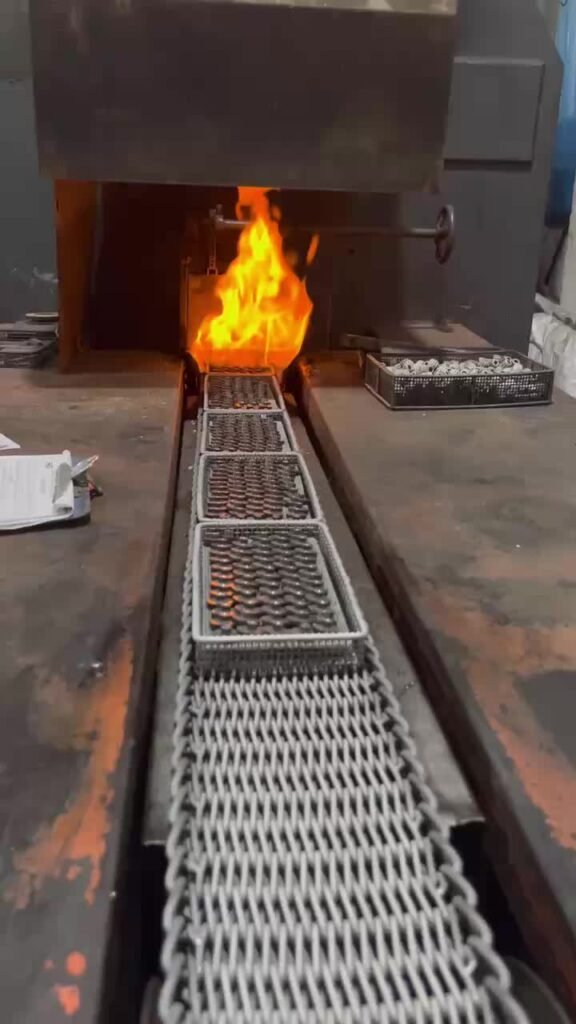
After compaction, the pressed components are heated in a controlled atmosphere.
The temperature is carefully controlled below the melting point of the main alloy. During this stage, the powder particles bond together and the component develops its required strength and structural integrity.
The sintering conditions have a direct influence on the final density, strength, dimensional stability, and porosity of the bronze bushing.
4. Sizing and Finishing
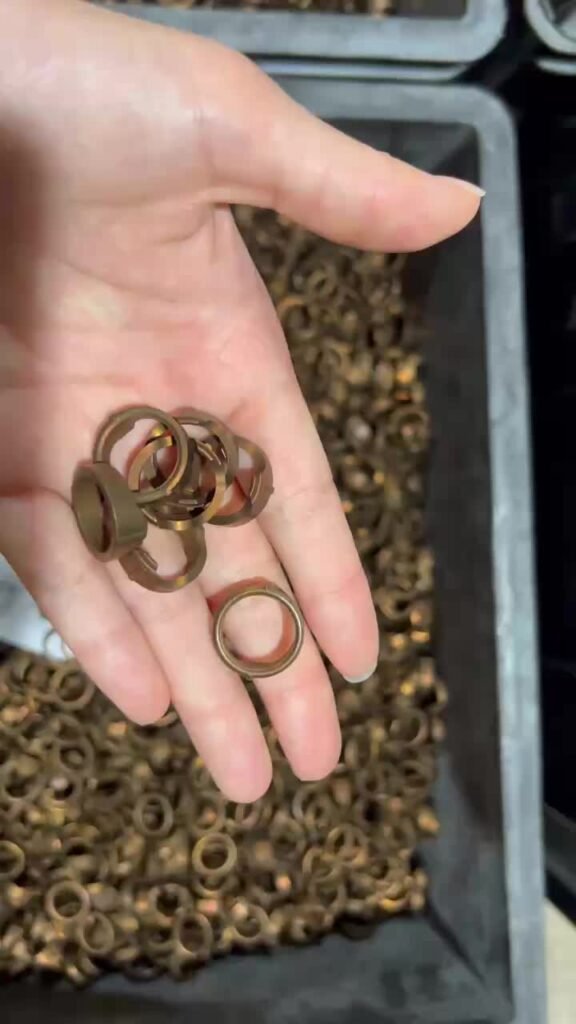
After sintering, additional sizing or finishing operations can be performed when tighter dimensional tolerances are required.
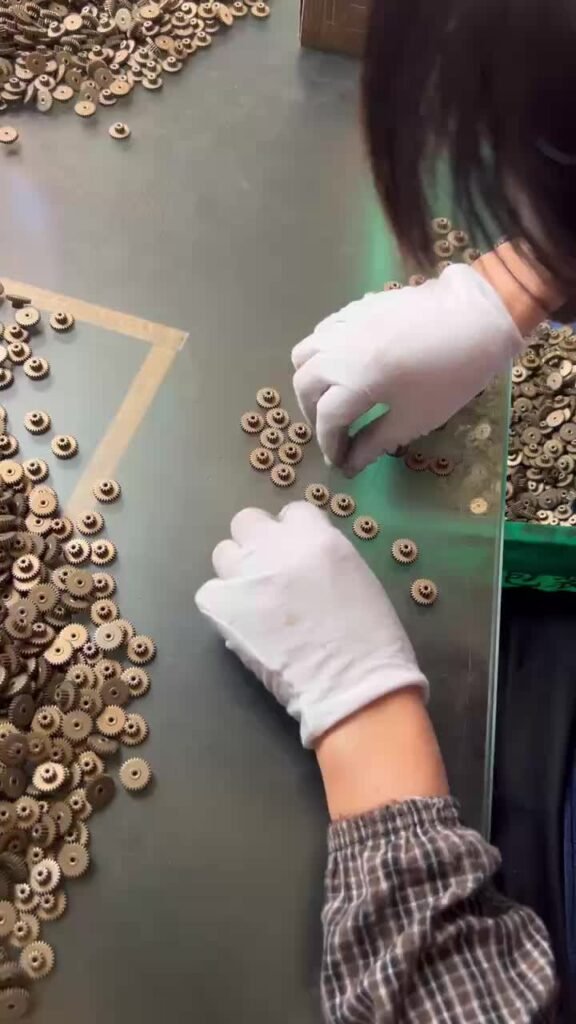
Depending on the application, the bushings can also receive additional processes such as oil impregnation, machining, surface treatment, or other customized finishing operations.
Advantages of Sintered Bronze Bushings
Powder metallurgy offers several important advantages for bronze bushing production.
Consistent Production Quality
Precision tooling allows manufacturers to produce large quantities of bushings with consistent dimensions and repeatable geometry.
This is particularly important for OEM applications where thousands or millions of components may be required.
Efficient Material Utilization
Because the bushing is formed directly from metal powder, powder metallurgy can reduce the amount of material removed compared with conventional machining from bronze bar stock.
This can help improve material utilization and production efficiency.
Controlled Porosity
One of the unique characteristics of sintered bronze is its controlled porous structure.
For oil-impregnated bronze bushings, the pores can be filled with lubricating oil. During operation, oil can migrate toward the bearing surface and provide additional lubrication.
This type of bushing is often referred to as a self-lubricating bronze bushing.
However, the actual lubrication performance depends on the material formulation, porosity, oil type, operating temperature, load, speed, and other application conditions.
Suitable for High-Volume Production
Powder metallurgy is particularly advantageous when the same bushing design is required in large quantities.
Once the tooling has been developed, the production process can provide repeatable dimensions and efficient cycle times, making it suitable for OEM and industrial applications.
Reduced Machining Requirements
The near-net-shape manufacturing process can reduce the amount of subsequent machining required.
For customers purchasing large quantities, this can contribute to a more efficient overall manufacturing process and competitive unit cost.
Typical Applications of Bronze Bushings
Sintered bronze bushings are used in a wide range of mechanical equipment and industrial products.
Typical applications include:
- Electric motors
- Small gearboxes
- Fans and blowers
- Pumps
- Automotive components
- Agricultural machinery
- Office equipment
- Household appliances
- Industrial automation equipment
- Power tools
- Mechanical transmission systems
- General rotating and sliding mechanisms
The correct bushing material and design should always be selected according to the actual load, speed, temperature, lubrication conditions, shaft material, and operating environment.
Industrial customers often require more than a standard bronze sleeve.
Depending on the application, manufacturers can develop bushings with customized:
- Inside diameter
- Outside diameter
- Length
- Wall thickness
- Bronze alloy composition
- Density and porosity
- Lubrication characteristics
- Dimensional tolerances
- Surface finish
- Oil impregnation
- Packaging requirements
For OEM projects, providing the shaft diameter, housing dimensions, operating speed, radial load, temperature, lubrication conditions, and expected service life can help the manufacturer select a suitable bronze bushing design.
Reliable Bronze Bushing Manufacturing for OEM Applications
Powder metallurgy provides an efficient manufacturing solution for bronze bushings used in a wide range of mechanical applications.
With controlled powder composition, precision compaction, controlled sintering, and appropriate finishing processes, sintered bronze bushings can be manufactured with consistent dimensions and application-specific properties.
Whether you need standard bronze sleeve bearings or customized powder metallurgy components, providing detailed drawings and application requirements allows the manufacturing process to be optimized for your specific project.
For OEM and wholesale requirements, custom dimensions, materials, tolerances, and production quantities can be discussed according to your application.
Contact us to discuss your powder metallurgy bronze bushing requirements and request a quotation.